


Walking into a new café should feel like a small pleasure, not a test. The menu board may be crowded with words like cortado, flat white, V60, and single origin, but most of what you need to order well is already in your head: what you like, how strong, how milky, how hot. The rest is just vocabulary. Independent cafés are usually happy to explain their drinks. You only need a few plain sentences to get the cup you want.
Start With What You Already Know
Forget the names for a moment. Start with taste. Do you want something bold and bitter, or smooth and mellow? Milky or black? Sweet or unsweetened? Hot enough to sip slowly, or cool enough to drink now? Those four questions will get you further than memorising a menu.
If you usually drink coffee at home with milk and sugar, say that. If you like a strong cup after lunch, say that too. A good barista can translate your description into a drink. “I like a strong coffee with a little milk, not too milky. What would you suggest?” is a perfectly normal order at an independent café. So is “I don't know what a flat white is. Can you describe it?” No one is grading you.
The Espresso Menu, Translated
Espresso drinks are mostly about ratios: how much coffee, how much milk, how much foam. The names change from café to café, but the general pattern is consistent.
- Espresso: a small, intense shot. No milk.
- Ristretto: a shorter espresso, made with less water. Often sweeter and less bitter.
- Macchiato: an espresso with a small spoonful of milk or foam. Strong.
- Cortado: espresso with roughly the same amount of warm milk. Little foam.
- Flat white: espresso with a thin layer of steamed milk, usually in a smaller cup. Stronger than a latte.
- Cappuccino: espresso with more foam, often equal parts coffee, milk, and foam.
- Latte: espresso with a lot of milk. Milder and creamier.
- Americano: espresso plus hot water. Black, but lighter than espresso.
- Mocha: espresso, chocolate, and milk. Sweeter and richer.
If you want something stronger than a latte but not as intense as an espresso, a cortado or flat white is a good place to start. If you want less milk, ask for a smaller cup or say, “Can you make it with less milk?” Most cafés can adjust.
Milk, Size, and Temperature Without the Guesswork
Milk changes everything. Whole milk gives a rounder texture. Oat milk is often the creamiest alternative. Almond and soy can be thinner or have a stronger flavour. If you have an allergy or intolerance, say so clearly and ask what they use. If you are avoiding dairy for health reasons, a quick conversation with the café is sensible, but for medical advice, speak to a professional.
Sizes are not standard. One café's large latte is another café's medium. Instead of guessing, ask, “What size is your standard latte?” or “Is this a small or a large?” If you want a drink you can finish while it's hot, ask for it “not too hot.” Very hot milk can taste flatter and scorch your tongue.
Sweeteners matter too. Many independent cafés use house-made syrups, honey, or plain sugar. Some do not carry flavoured syrups at all. Ask before you assume. “Do you have vanilla syrup?” is a fine question. So is “Can I get that unsweetened?”
Filter Coffee: Ask for the Cup You Actually Want
Filter coffee is where independent cafés often shine. You might see batch brew, pour-over, Chemex, V60, or Aeropress. These are just methods. The important question is what the coffee tastes like.
Start with, “What's brewing today?” Then ask for a direction: “Which one is brighter?” or “Which is more chocolatey?” If you like coffee with milk, ask for room. If you drink it black, say so. If you want to try something new without committing to a full cup, ask if they offer a smaller size.
Tasting notes on the bag or board are suggestions, not rules. If a coffee tastes sharp or sour to you, that's useful information. You can say, “This tastes a bit sharp to me. Do you have something rounder?” A good café will help you find a better fit. If you don't want to wait for a pour-over, batch brew is usually faster. If you want the full ritual, ask for the pour-over and enjoy the wait.
Tea at a Coffee Shop: A Few Words That Help
Tea service varies widely. Some cafés have a thoughtful loose-leaf list; others have a small box of bags. Either way, you can get a good cup by asking a few clear questions.
- “What black teas do you have?”
- “Is the chai already sweetened?”
- “Could I have the tea bag on the side?”
- “Can you make it with oat milk?”
- “Is the iced tea sweetened?”
If you want a stronger cup, ask for extra leaves or two bags, or request a longer steep. If you want to avoid bitterness, ask them to leave the bag or leaves out after a few minutes, or put them on the side so you can control it. Green tea is often brewed with cooler water than black tea; if the café knows this, they will appreciate the question. If you want milk and sugar, ask. If you want it plain, say that too.
When You're Not Sure, Say This
You do not need a script, but a simple formula helps:
- Name a drink you already like, or a taste you enjoy.
- Add two details: strength, milk, sweetness, or temperature.
- Ask one question: “What would you recommend?”
- Confirm the size, milk, and whether it comes hot or iced.
For example: “I usually drink medium coffee with a splash of milk. What do you have that's smooth and not too acidic?” Or: “I want a latte, but less milky. What's closest?” Or: “I've never had a cortado. Can you tell me what it's like?” These are easy orders for a barista to work with.
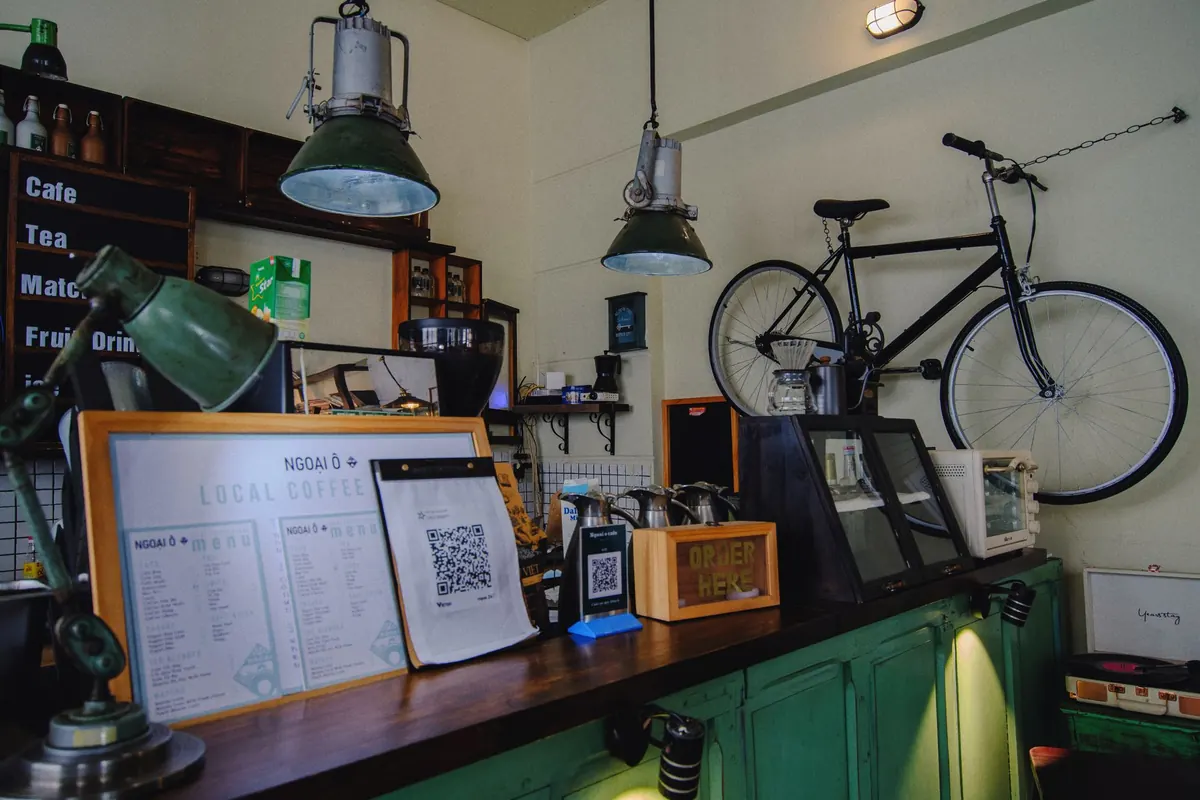
Watch how the café runs, too
Photo: Đan Thy Nguyễn Mai / Pexels
Related posts
More stories you’ll love reading