

Walking into an unfamiliar café is a small gamble. You have one drink to spend and no idea whether you'll get something memorable or a lukewarm cup that tastes like wet cardboard. Reviews help a little, though they're often a few years old and written by people who were mostly rating the wifi.
The good news is that quality leaves evidence. Roasters, grinders, menus, staff and seating all leave clues, and most of them are visible before you order. Here's what to look at.
Start With the Roast Date, Not the Signage
Any café can print "specialty coffee" on a chalkboard. The bag on the shelf is the one object in the room that can't easily lie. Look for a printed roast date rather than a vague best-before stamp — many roasters stamp the bottom or the back of the bag in small type, so pick one up and turn it over.
For filter coffee, freshness matters a great deal. A bag roasted within the last few weeks is a good sign; much older than that and the aromatics have faded into something flat and papery. Espresso is usually rested for several days before use, so a bag roasted four days ago isn't a problem — it may simply be tomorrow's espresso.
If the café sells retail bags, scan the shelf. A row of bags all dated within the past fortnight suggests steady turnover and a real relationship with a roaster. No dates at all often means the beans arrived through a distributor and have been sitting somewhere for a while.
Look at the Equipment Behind the Counter
Gear doesn't guarantee good coffee, but it's hard to make good coffee without it. Two areas are worth a glance.
On the espresso side
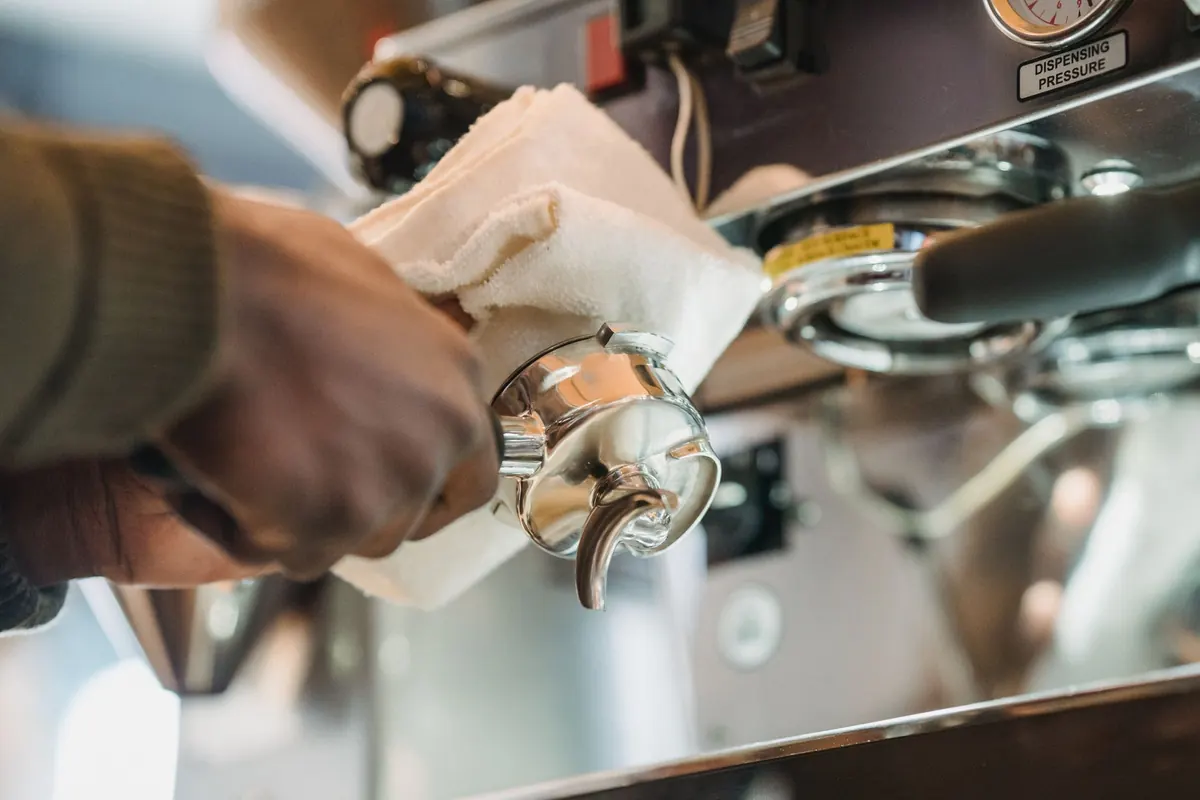
Watch for a scale sitting on the bar, baristas weighing doses, and a grinder that gets adjusted through the day rather than set once in the morning. If you see someone pull a shot, taste it and tip it out, don't wince — that's a café checking its work instead of serving whatever comes out. Water treatment matters too, and it's less glamorous than it sounds: a filter housing under the counter is a quiet signal that someone thought about how the coffee actually tastes.
On the tea side
For tea, look for loose leaf in tins or jars instead of a wall of identical paper sachets. A kettle or hot-water tap set below boiling, a proper teapot with room for the leaves to open, and a matcha bowl with a bamboo whisk all suggest the tea list is taken seriously rather than bolted on to keep non-coffee drinkers happy.
Ask One Real Question
Order first, then ask something specific. "What are you enjoying today?" or "Which of these would you drink black?" works better than a general "What's good?"
Listen to the answer. A barista who mentions a particular lot, how it's brewing this week, or how long it's been rested knows the stock. Someone who just points at the board and says "the medium roast" is reading the menu, not tasting it. You don't need a lecture — you want a person with an opinion and the willingness to share it.
Read the Seating Like a Local
Seating tells you what a café is for. A long bar of stools facing the window suits a quick solo cup. Mismatched tables and a shared bench invite you to stay. If every surface has an outlet and half the room is wearing headphones, it's a workspace — fine if that's what you need, less good if you were hoping for conversation.
Also weigh seats against staff. Forty chairs and two people behind the counter usually means a queue and rushed drinks. A small room with a healthy staff-to-seat ratio is a better bet, especially at peak times.
The Menu Is a Statement of Intent
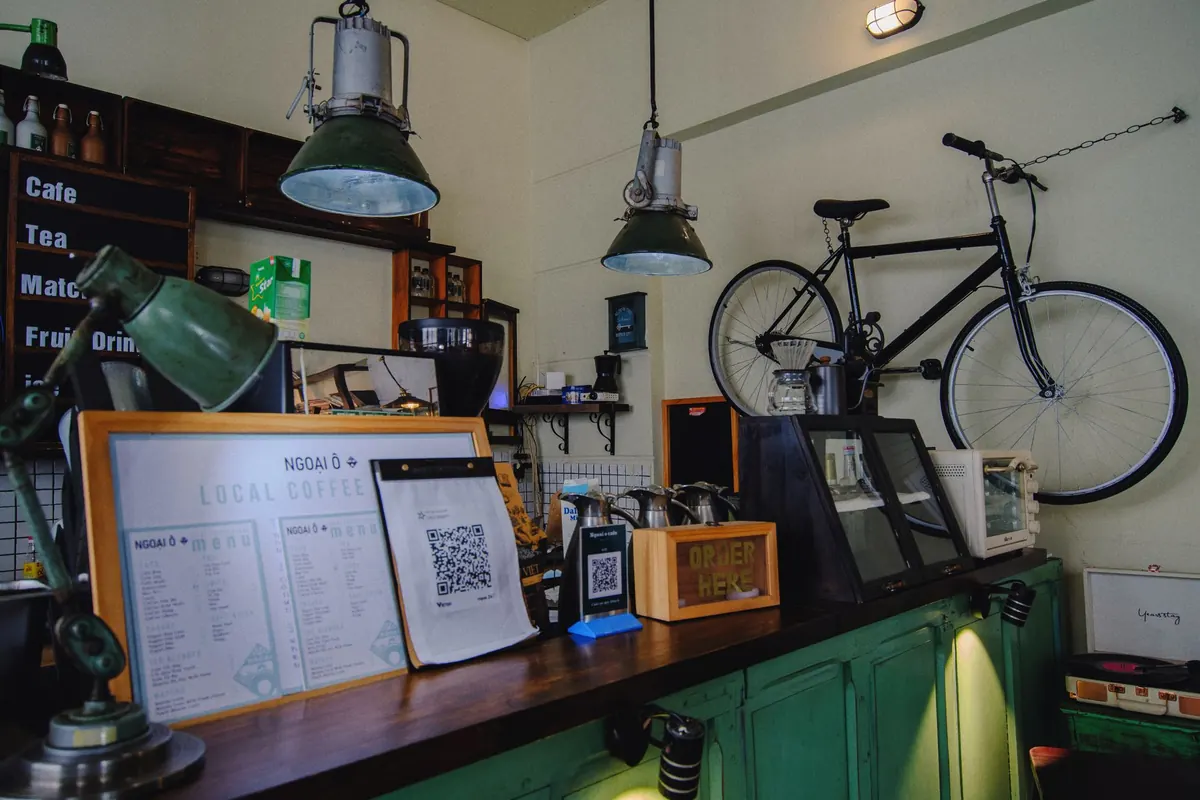
A board listing sixty drinks — caramel, hazelnut, three sizes of everything — is built for volume. A short list of espresso, batch brew, one or two filter options and a couple of teas is usually built for quality, because it lets the staff nail a smaller number of things.
Batch brew on tap is a good sign: it means someone brews consistently and isn't precious about serving coffee quickly. On the tea side, look for named regions or gardens, suggested brew times, and milk alternatives that are treated as normal rather than an upsell.
A 60-Second Walk-In Checklist
- Roast dates printed on retail bags, mostly within the last few weeks
- A grinder being adjusted, with scales visible on the bar
- Staff tasting, weighing, or talking about specific coffees by name
- Loose leaf tea in tins, not only sachets
- A menu short enough to fit on one board
- Seating that matches your purpose: bar for solo, tables for company
- Wiped counters, clean steam wands, cups warmed before use
- Regulars greeted by name or by their usual order
Order Small, Then Decide
Keep the first round simple. An espresso or a filter coffee tells you more than a four-syrup drink ever will, and it costs you five minutes if the place turns out to be ordinary. If the plain version is good, come back and explore; if it isn't, you've lost very little.
Pay attention to timing, too. A café can be excellent at nine in the morning and tired by four, once the pastries are gone and the baristas are running on fumes. One visit isn't a verdict — a new bag, a different barista or a quieter hour can change the cup entirely.
Save the addresses that work, whether in a note on your phone or a pinned list on a map. Over a few trips you'll build something better than any review site: a short personal list of rooms where the coffee is cared for and the seat by the window is worth an extra twenty minutes.
Photo: hoahoa111 / Pixabay
Related posts
More stories you’ll love reading